
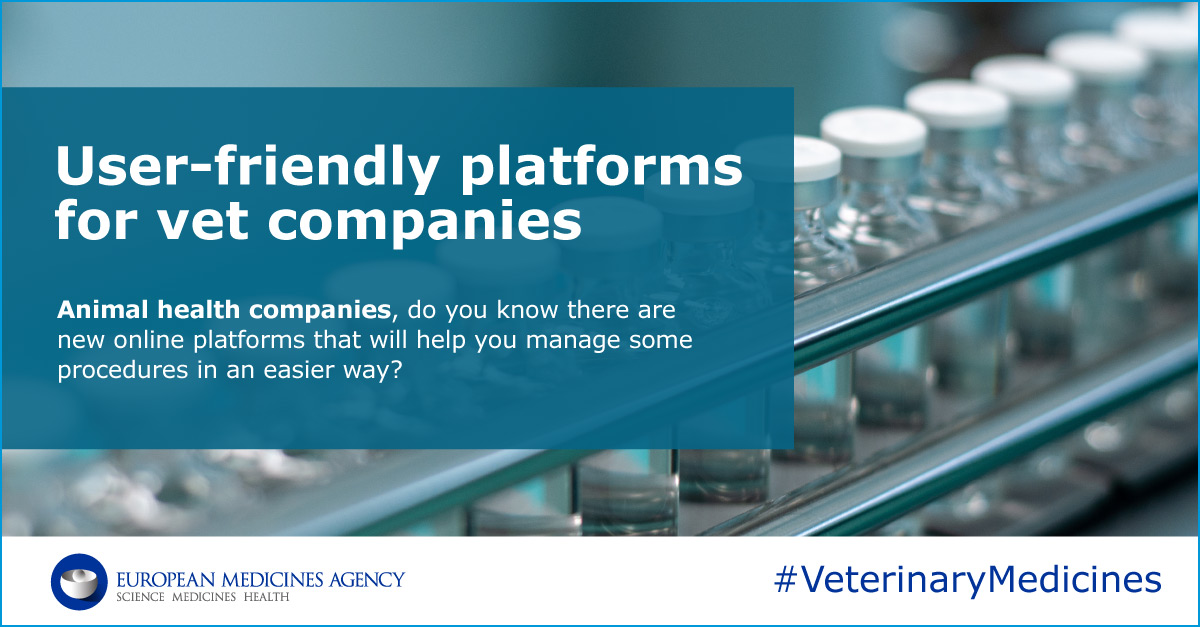
New Regulatory Milestones in Veterinary Medicinal Products
The veterinary pharmaceutical sector is transforming rapidly, with regulatory changes that pave the way for enhanced quality, safety, and efficiency. Recent developments in both the European Union and India are reshaping how veterinary drugs are manufactured, imported, and distributed, ensuring that only top-quality products reach clinics and farms.
A Fresh Look at the Regulatory Landscape
In the European Union, the introduction of Regulation (EU) 2019/6—effective from January 2022—has modernized the legislative framework governing veterinary medicinal products. This regulation places a strong emphasis on ensuring that manufacturing, distribution, and marketing processes adhere to the highest standards of safety and efficacy. Complementing this, the Commission Implementing Regulation (EU) 2021/1248, which came into force in August 2021, sets clear guidelines on Good Distribution Practice (GDP) for these products. These measures mandate rigorous checks upon receipt of consignments, requiring proof of release from an authorized manufacturer and adherence to strict quality controls at every step of the supply chain.A National Perspective: India's Evolving Standards
India, a major player in veterinary pharmaceuticals, has long maintained a comprehensive regulatory system through the Drugs and Cosmetics Act, 1940, and the Drugs and Cosmetics Rules, 1945. Recent updates reinforce the existing framework by mandating that any manufacturing process—including packaging, labeling, or altering a drug for sale—comply with Good Manufacturing Practices (GMP). The Central Drugs Standard Control Organization (CDSCO) plays a pivotal role in issuing licenses and ensuring that both local manufacturers and importers meet these high standards. This evolving framework not only safeguards animal health but also aligns the industry with global best practices.Industry Implications: Beyond Compliance
For manufacturers and distributors, these regulatory upgrades are both a challenge and an opportunity. Companies must now enhance their internal processes, from detailed documentation to comprehensive quality checks, to meet the new requirements. The heightened focus on post-approval changes and field surveillance means that ongoing monitoring and reassessment have become integral parts of the business model. These practices not only ensure compliance but also build trust among veterinarians and animal care professionals, ultimately benefiting animal welfare and public health.Looking Toward the Future
These regulatory advancements signify a proactive move towards international harmonization in veterinary medicine. As markets globalize, consistent high standards across borders will ease trade barriers, foster innovation, and drive overall improvements in animal healthcare. Industry stakeholders who adapt swiftly to these changes will be well-positioned to lead in a more transparent and accountable global marketplace. What changes are you seeing in the veterinary pharmaceutical sector? How is your organization gearing up for these updated standards? Let’s keep the conversation going and work together toward a safer, more effective future in animal healthcare.By staying informed of these dynamic regulatory shifts, we not only protect our livestock and companion animals but also reinforce a commitment to excellence throughout the entire supply chain. What other trends do you think will shape the future of veterinary medicinal products?
61 thoughts on “New Regulatory Milestones in Veterinary Medicinal Products”
Add a Comment Cancel reply
Recent Posts
qp-audits31 Comments
FDA Updates NDSRI Implementation Timelines – What You Need to Know

Tags
#ANVISA #ATMPs #auditor #biology #biosimilars #biotechnology #CLV #cleaningvalidation #AMV #analyticalmethodvalidation #HBEL #worstcase #solubilitymatrix #swab #rinse #validationplan #vmp #healthbasedexposurelimit #RDC3012019 #RDC6582022 #RDC301 #cosmetic #DBT #Biosafetyregulations #Geneticallyengineeredorganisams #hazardousmicroorganisms #Microorganisms #Genetics #Digitalhealth #digitaltransformation #Food #WHO #FAO #foodsafety #riskbased #FSSAI #foodsafetymodernizationact #qpaudits #AI #blockchain #gapanalysis #gmp #Healthcareinnovation #Industry40 #medicaldevices #medicationtherapymanagement #Patientempowerment #pharma #Pharma #FDAUpdate #NDSRI #GMP #Nitrosamines #RAILGuidance #QualityAssurance #qa #qc #regulatoryaffairs #riskassessment

https://shorturl.fm/hQqI2
https://shorturl.fm/DVY2F
https://shorturl.fm/mMKRT
https://shorturl.fm/KMDxp
https://shorturl.fm/P5Pmp
https://shorturl.fm/Zz1A2
https://shorturl.fm/JrBwd
https://shorturl.fm/zx6uU
https://shorturl.fm/sBEvb
https://shorturl.fm/QLR3h
https://shorturl.fm/l5cio
https://shorturl.fm/Y1cqL
https://shorturl.fm/Q08eL
https://shorturl.fm/1FLF8
https://shorturl.fm/eTGGK
https://shorturl.fm/TFKp1
https://shorturl.fm/lHs43
https://shorturl.fm/VxA04
https://shorturl.fm/mpV4V
https://shorturl.fm/ZcIee
https://shorturl.fm/eeqY4
https://shorturl.fm/yS27B
https://shorturl.fm/wpjdx
https://shorturl.fm/NzKu3
https://shorturl.fm/Zh9g2
https://shorturl.fm/qVjRg
https://shorturl.fm/TIdOR
https://shorturl.fm/idOIN
https://shorturl.fm/ePbYQ
https://shorturl.fm/r3FZT
https://shorturl.fm/LQrOm
https://shorturl.fm/vgVxC
https://shorturl.fm/fxzAk
https://shorturl.fm/fc0Nt
https://shorturl.fm/U0HXy
https://shorturl.fm/i6rNc
https://shorturl.fm/Vmxzs
https://shorturl.fm/eYFNe
https://shorturl.fm/RFWHV
https://shorturl.fm/rZCbJ
https://shorturl.fm/O6UYJ
https://shorturl.fm/yuXRy
https://shorturl.fm/bUmLX
https://shorturl.fm/YQWFQ
https://shorturl.fm/uAoxy
Alright mates, check out 55bmwlogin. Quick registration, get yourself logged in. The graphics are slick, and the gameplay is nice and smooth. Get your game on: 55bmwlogin
https://shorturl.fm/QR9Lh
https://shorturl.fm/QLp3d
https://shorturl.fm/ljwEk
https://shorturl.fm/6HPon
https://shorturl.fm/cNATC
https://shorturl.fm/YxjFJ
https://shorturl.fm/yaHCm
https://shorturl.fm/Pz11I
https://shorturl.fm/WCmC3
Promote our brand and watch your income grow—join today!
Boost your income—enroll in our affiliate program today!
Join our affiliate community and start earning instantly!
Join our affiliate program and start earning commissions today—sign up now!
Share your link and rake in rewards—join our affiliate team!
Start earning passive income—join our affiliate network today!