
Aseptic Manufacturing: Navigating the PICS Standard Requirements
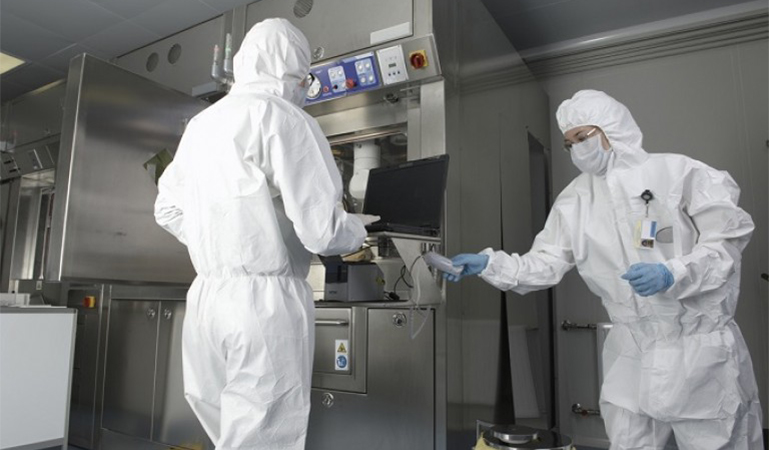
In the realm of pharmaceutical manufacturing, maintaining sterility is paramount. Aseptic manufacturing is the process by which products—often parenteral drugs, vaccines, or other sterile formulations—are produced in environments and through methodologies that prevent contamination. The Pharmaceutical Inspection Co-operation Scheme (PICS) provides harmonized guidance on these procedures, ensuring that manufacturing practices not only comply with global regulatory expectations but also protect patient safety at every step. Understanding Aseptic Manufacturing Aseptic manufacturing is built on principles that minimize microbial, particulate, and cross-contamination risks throughout production. Unlike terminal sterilization, where products are sterilized after filling or packaging, aseptic processing involves sterilizing components and equipment separately and then bringing them together under strictly controlled conditions. This process is particularly vital when the end product cannot tolerate terminal sterilization due to its nature or formulation. In a well-designed aseptic process, every element—from the raw materials and the finished product to the air and water within the production facility—is controlled by rigorous procedures. Operators follow standardized protocols to avoid contamination risks, and critical areas are maintained under conditions that exceed even basic cleanroom requirements. The PICS Standard Requirements The Pharmaceutical Inspection Co-operation Scheme sets out robust standards for manufacturing environments and operational processes to ensure the consistent quality of sterile products. Under PICS guidelines, manufacturers must focus on:
- Facility Design and Environmental Controls: PICS emphasizes a controlled environment where the facility’s design minimizes contamination risks. This includes air filtration systems such as High-Efficiency Particulate Air (HEPA) filters, positive pressure differentials, and strict zoning to separate aseptic areas from less controlled environments.
- Process Validation and Equipment Qualification: Validation is the cornerstone of aseptic processing. Every stage—from cleaning and sterilization to filling and sealing—must undergo documented process validation to prove that the system reliably produces sterile products. Equipment qualification ensures that every piece of machinery functions as intended under aseptic conditions.
- Personnel Training and Aseptic Techniques: Even the most sophisticated facility and process can be compromised by human error. PICS requires comprehensive training programs that ensure operators are adept in aseptic techniques, understand contamination risks, and strictly adhere to protocols.
- In-Process Controls and Real-Time Monitoring: Continuous environmental monitoring and process controls are essential. Operators must implement environmental sampling, particulate monitoring, and robust quality control checks to detect any deviations from specified contamination thresholds. PICS guidelines stress proactive interventions, maintaining a state of readiness to address and correct any issues immediately.
- Documentation and Regulatory Compliance: Detailed documentation is a hallmark of aseptic manufacturing under PICS standards. Every process step, quality test, and deviation must be recorded. This traceability not only aids in root cause analysis in case of contamination risks but also demonstrates compliance during regulatory inspections.
- Risk Assessment and Mitigation: Evaluate all potential points of contamination—whether through equipment, personnel, or raw materials—and implement preventive strategies that address these risks comprehensively.
- Advanced Technologies: Consider integrating isolators and barrier systems. Such systems create physical separations between critical product contact areas and the external environment, reducing the dependency on operator activity in open cleanrooms.
- Facility Design Improvements: Modern facility design aligns with the PICS vision of a ‘clean zone’ by incorporating segregated zones, unidirectional workflow, and process automation, all of which contribute to minimizing contamination pathways.
- Continuous Training and Auditing: The aseptic process is not static. Continuous staff training, periodic audits, and revalidation of processes are integral components of a successful aseptic manufacturing operation.
- Emergency Preparedness: Despite all preventive measures, deviations can occur. A robust corrective and preventive action (CAPA) system ensures that any breach in aseptic conditions is addressed swiftly and effectively, thereby fortifying the system against future occurrences.
Conclusion Aseptic manufacturing is a sophisticated process that requires meticulous planning, robust technology, and an unwavering commitment to quality. The guidelines set forth by the Pharmaceutical Inspection Co-operation Scheme serve as a critical roadmap for manufacturers around the globe. By adopting these guidelines and embedding them into every facet of production—from facility design and equipment qualification to personnel training and environmental monitoring—companies can achieve the pinnacle of manufacturing excellence, ensuring that every sterile product reaches patients safely and effectively. In a rapidly evolving pharmaceutical landscape, embracing these best practices paves the way for innovation while maintaining stringent quality and safety standards. For manufacturers committed to excellence, the journey of continuous improvement is as critical as the technology and protocols that support it.More to Explore: If you’re intrigued by the intersection of technology and compliance, consider exploring topics such as emerging automation technologies in aseptic manufacturing, the future of smart facilities, and how digital monitoring can further enhance process validation. These insights can deepen your understanding and inspire innovative approaches to manufacturing in a stringent regulatory environment. #sterile #mediafill #validation #aseptic #gmp #filtartion #qpaudits
One thought on “Aseptic Manufacturing: Navigating the PICS Standard Requirements”
Add a Comment Cancel reply
Recent Posts
qp-audits31 Comments
FDA Updates NDSRI Implementation Timelines – What You Need to Know

Tags
#ANVISA #ATMPs #auditor #biology #biosimilars #biotechnology #CLV #cleaningvalidation #AMV #analyticalmethodvalidation #HBEL #worstcase #solubilitymatrix #swab #rinse #validationplan #vmp #healthbasedexposurelimit #RDC3012019 #RDC6582022 #RDC301 #cosmetic #DBT #Biosafetyregulations #Geneticallyengineeredorganisams #hazardousmicroorganisms #Microorganisms #Genetics #Digitalhealth #digitaltransformation #Food #WHO #FAO #foodsafety #riskbased #FSSAI #foodsafetymodernizationact #qpaudits #AI #blockchain #gapanalysis #gmp #Healthcareinnovation #Industry40 #medicaldevices #medicationtherapymanagement #Patientempowerment #pharma #Pharma #FDAUpdate #NDSRI #GMP #Nitrosamines #RAILGuidance #QualityAssurance #qa #qc #regulatoryaffairs #riskassessment

Alright, VN folks! vk88vn seems like it caters well to us. Good range of games and a decent welcome bonus. The customer service was also pretty sharp when I had a question. Worth a try: vk88vn